Compare Local Contractors for Antique Furniture Repair Success
Compare local contractors for antique furniture repair to define project scope, verify experience, and establish clear expectations for a successful restoration.
Antique furniture repair encompasses a range of services designed to restore and preserve the character of historic and vintage pieces. This work often includes tasks such as repairing or replacing damaged wood, refinishing surfaces to match original finishes, re-gluing joints, and addressing structural issues that may compromise the stability of the furniture. Skilled contractors may also handle delicate tasks like veneer restoration, brass hardware repair, or upholstery work to ensure that each piece maintains its authentic appearance and integrity. Understanding the scope of these services helps property owners identify the specific skills and experience needed to properly care for valuable or sentimental items.
Defining the scope of an antique furniture repair project is essential for setting clear expectations and ensuring a successful outcome. Property owners should work with contractors to specify what repairs are needed, whether it involves structural reinforcement, surface refinishing, or detailed restoration work. Clarifying these details in writing can help prevent misunderstandings and provide a basis for evaluating proposals. A well-defined scope also enables property owners to assess whether a contractor has relevant experience with similar types of furniture, which can be critical for achieving authentic and lasting results.
When comparing local contractors for antique furniture repair, it’s important to consider their experience, specialization, and reputation within the community. Property owners can review portfolios, request references, or inquire about previous projects similar in scope and style. Verifying that a contractor has handled antique pieces comparable to those requiring repair can offer insight into their expertise and approach. Additionally, obtaining detailed proposals that outline the scope of work, materials, and methods allows property owners to make informed comparisons and select service providers who meet their specific needs and expectations.
Compare local contractors by outlining priorities, verifying experience, and clearly defining project scope and expectations.
- Verify Experience - Ensure contractors have relevant background in antique furniture repair.
- Define Scope Clearly - Communicate specific repair needs to set accurate project expectations.
- Compare Service Providers - Evaluate local contractors based on expertise and service offerings.
- Document Details in Writing - Keep all scope, expectations, and agreements documented for clarity.

Clearly describe your antique furniture repair project to help compare local contractors, verify experience, and set expectations in writing.
- Verify experience with antique furniture repair to ensure familiarity with traditional techniques and materials. - Look for service providers who clearly define the scope of work and repair methods in writing.
- Compare multiple local contractors to evaluate their expertise, reputation, and specialization in antique furniture restoration. - Ensure contractors have a history of working with similar types of furniture and restoration projects.
- Assess the contractor’s knowledge of appropriate materials and preservation techniques for antique pieces. - Confirm that they understand the importance of maintaining authenticity and original features.
- Request detailed written descriptions of the repair process, including cleaning, restoration, and refinishing methods. - This helps set clear expectations and ensures transparency before work begins.
- Check references or reviews related to antique furniture repairs to gauge the quality and reliability of service providers. - Reliable contractors should be able to provide examples of past restoration projects.
- Ensure the scope of work and any special considerations are documented to prevent misunderstandings during the repair process. - Clear agreements help protect both parties and clarify project expectations.
Compare local contractors' experience and clarify project scope to ensure successful antique furniture repairs.
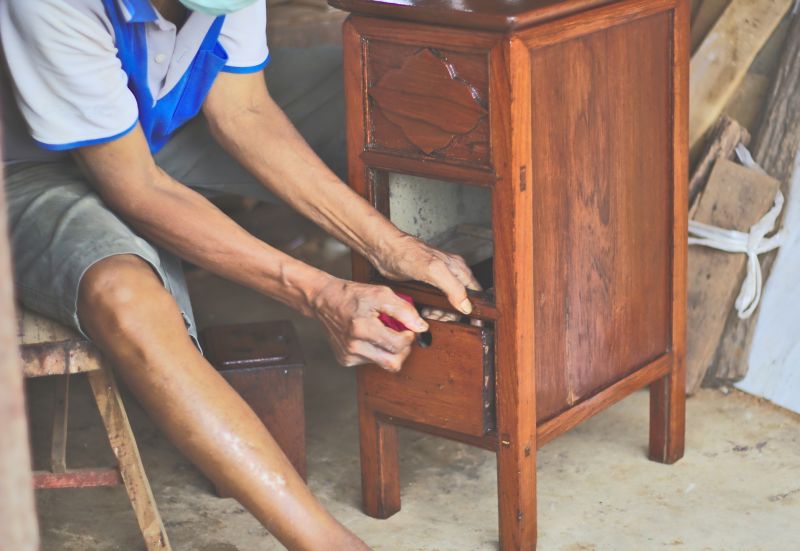
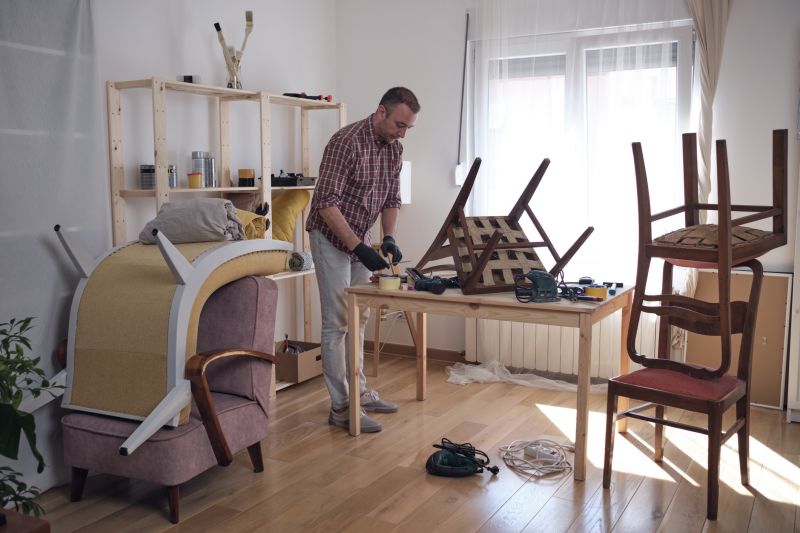

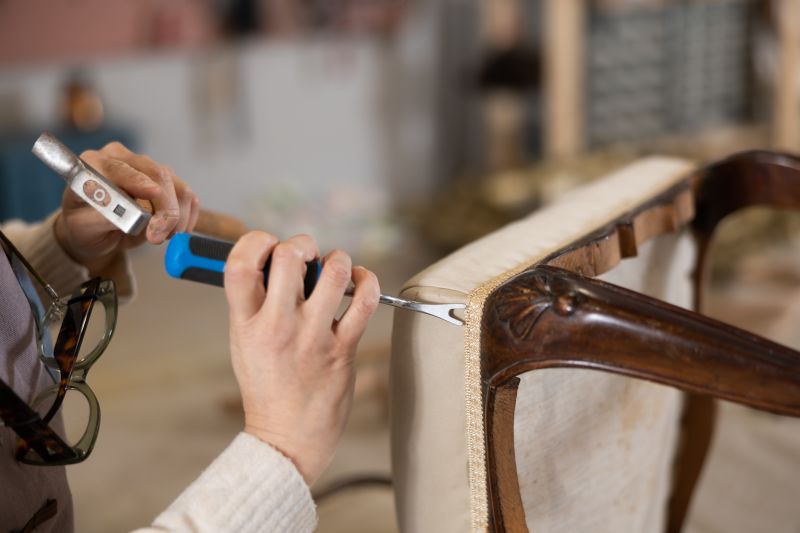
Use consistent comparison criteria across local contractors by clearly defining the scope, verifying experience, and documenting expectations in writing.
- Define the scope of work - clearly outline the specific repairs, restoration techniques, and finishes needed for the antique furniture.
- Verify experience and expertise - ensure the service providers have a proven track record with antique furniture restoration projects.
- Assess materials and methods - confirm that the contractors plan to use appropriate, historically accurate materials and techniques.
- Establish project expectations in writing - document all details, including scope, materials, and methods, to avoid misunderstandings.
- Compare local service providers - evaluate the qualifications and approaches of different contractors to find those best suited for antique furniture repair.
When comparing contractors for antique furniture repair, it is important to evaluate their experience with similar projects. Look for service providers who have a proven track record of working on antique or delicate furniture pieces. Inquire about the types of items they have restored and whether they have handled pieces comparable in style, material, or age to your own. An experienced contractor will understand the nuances of antique repair and be better equipped to handle the specific requirements of your furniture.
Clear communication about the scope of work is essential when assessing potential service providers. A reputable contractor should be able to provide a detailed, written outline of the services they will perform, including the specific repairs, finishes, or restorations involved. This documentation helps ensure that expectations are aligned and reduces the risk of misunderstandings later in the process. Avoid contractors who are unable or unwilling to specify what their work will encompass.
Verification of a contractor’s background is a key step in the selection process. While formal licensing or certification may not be a requirement, it is advisable to verify references or reviews from previous clients who have had similar antique furniture repaired. Asking for examples of past projects or seeking testimonials can provide insights into the quality of work and reliability of the service provider. Confirming that a contractor has successfully completed similar projects can help build confidence in their capabilities.
When evaluating options, it is helpful to compare the details of each contractor’s experience, scope of work, and verification efforts. Consider how well each service provider understands the specific needs of antique furniture and whether their proposed scope aligns with those needs. Focus on the clarity of their communication and the thoroughness of their background checks. This approach allows for an informed decision based on expertise, professionalism, and the ability to meet the unique requirements of antique furniture repair, without the influence of pricing or timelines.
Ask contractors for written scope details to ensure clear expectations and consistent project understanding.
- Experience and Specialization - What specific experience do local contractors have with antique furniture repair?
- Scope of Work - How will the service provider define and document the scope of the repair project?
- Materials and Techniques - What methods and materials do local contractors use to ensure authentic restoration?
- Communication and Expectations - How will the contractor clarify the repair process and set expectations in writing?
- Previous Work and References - Can the contractor provide examples or references of similar antique furniture repairs?
How can I compare contractors for antique furniture repair? To compare contractors, review their experience with similar pieces, verify their reputation through references or reviews, and ensure they clearly define the scope of work in writing.
What should I consider when defining the scope of antique furniture repair? Clearly outline the specific repairs needed, the condition of the furniture, and any restoration goals to ensure contractors understand the project requirements.
How do I verify a contractor’s experience with antique furniture? Ask about their past projects, request examples of similar repairs, and check whether they have specialized knowledge in antique furniture restoration.
Why is it important to get the scope of work in writing? Having a detailed written scope helps prevent misunderstandings, sets clear expectations, and provides a reference for the agreed-upon work and responsibilities.
What questions should I ask potential service providers about their repair process? Inquire about their methods, materials used, and experience with specific furniture styles to ensure their approach aligns with your needs.
How can I ensure the contractor understands my expectations for antique furniture repair? Communicate your goals clearly, ask for a detailed plan or description of the work, and confirm that all details are documented before work begins.
This overview has highlighted the importance of clearly defining the scope of antique furniture repair projects, verifying the experience of local contractors, and establishing expectations in writing. Comparing different service providers can help identify those who best match the specific needs of each piece, ensuring a smoother repair process. Utilizing the quote form allows for easy access to information about available local contractors who specialize in antique furniture restoration.
By using the quote form, visitors can efficiently explore and compare options among local service providers equipped to handle antique furniture repairs. Gathering details from multiple contractors enables more informed decisions and helps set clear expectations for the project. Taking this step can assist in finding experienced professionals suited to the unique requirements of each piece.